Before you begin
Five Habits That Make Any Woodworking Plan More Useful
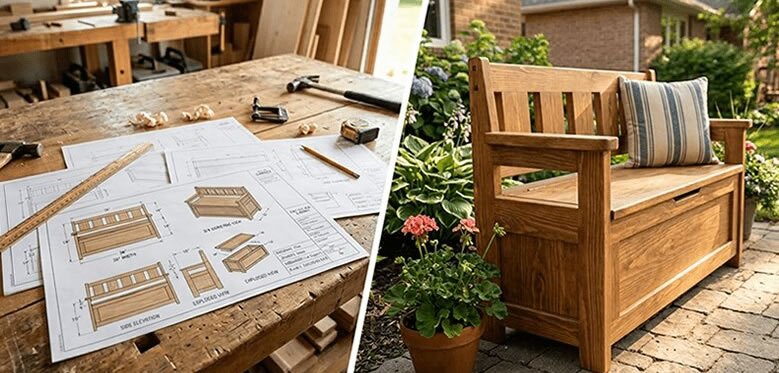
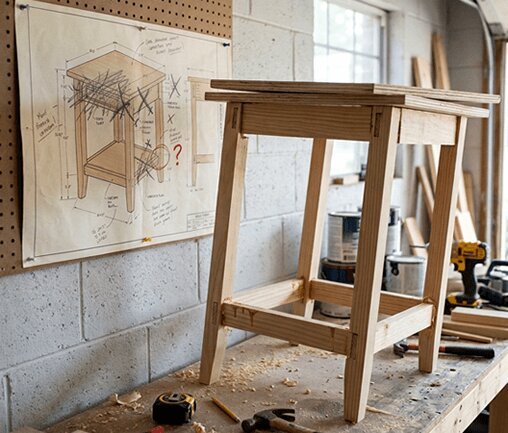
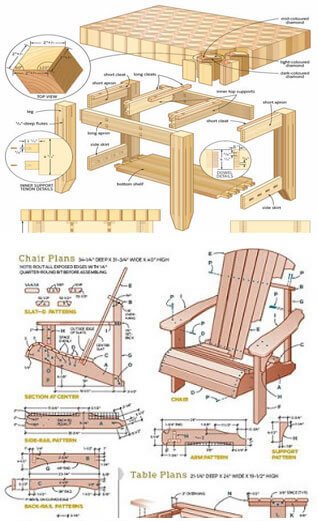
Read first, build second. Treat the first pass through a plan like a rehearsal. Identify the main assemblies, locate the dimensions that control fit and note where the instructions expect glue, screws, hardware or a particular tool. If a step is unclear on paper, solve that question before the workpiece is on the saw.
Make your own cut checklist. Even when a plan supplies a cutting list, it can help to rewrite the pieces in the order you intend to prepare them. Mark parts as they are milled and cut. Label components lightly in an inconspicuous area. On projects with several similar rails, stiles or panels, simple labeling prevents mix-ups that are hard to see until assembly.
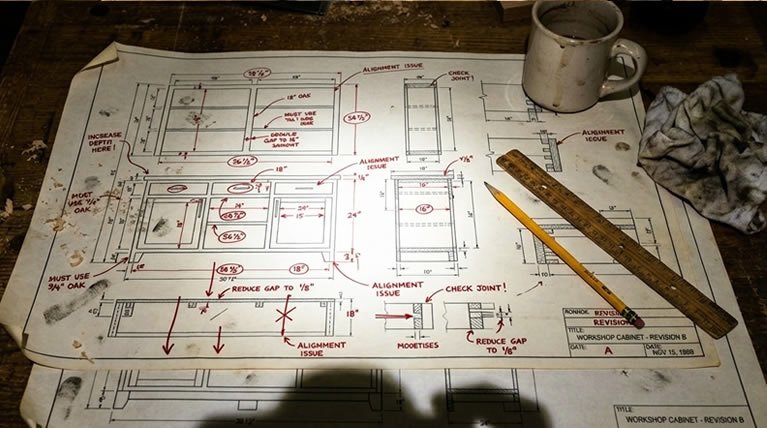
Check square early and often. Small errors compound. A slightly out-of-square frame can create a larger problem when a drawer, panel or door is fitted later. Measure diagonals, use reliable reference edges and dry-fit assemblies before glue whenever practical. The plan provides intended dimensions; your measuring process is what carries those dimensions into the real object.
Adapt responsibly. One benefit of woodworking is that a plan does not have to be the final word on style. You may prefer a different wood species, edge profile, handle or finish. Cosmetic changes are usually easier than structural ones. When changing dimensions, joinery or load-bearing components, make sure you understand the consequences and seek qualified guidance where safety matters.
Choose material with the project in mind. A plan may show a species or stock size, but availability, appearance and intended use can influence your choice. Inspect boards for twist, cup, bow and defects before buying, and allow enough extra material for milling and mistakes. For outdoor builds, consider whether the wood, glue, fasteners and finish are suitable for moisture and changing weather. For indoor furniture, think about movement of solid wood as humidity changes. These decisions sit alongside the plan rather than inside it: the drawing tells you what to build, while good material selection helps determine how well the finished piece performs over time.
Keep a build record. Write down the material you used, the dimensions you changed and anything you would do differently. Take a few photos during assembly. If you revisit the design months later, your notes can be more valuable than memory. Over time, the combination of published plans and your own workshop notes becomes a personal reference library tailored to the way you build.