16,000 Woodworking Plans You Need! | TedsWoodworking
⚡ UNLOCK 16,000+ WOODWORKING PLANS • INSTANT DIGITAL ACCESS
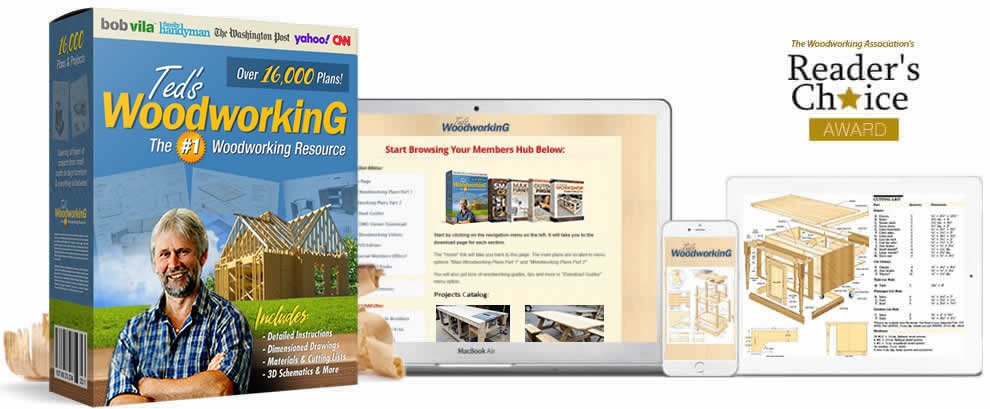
TedsWoodworking 16,000 woodworking plans package shown across desktop, tablet and printed plan formats
The Ultimate Blueprint Vault

Build Anything: 16,000 Woodworking Plans At Your Fingertips!

Stop guessing your cuts. Get step-by-step blueprints, exact materials lists, and professional diagrams for thousands of stunning projects.

🔥Over 16,000 stunning projects ready to build today
⚡Complete cutting lists & step-by-step assembly guides
🎁Lifetime member access + exclusive bonus guides included

Unlock All 16,000 Plans Now →

Affiliate disclosure: If you purchase through links on this page, we may earn a commission at no additional cost to you.
16,000project plans advertised
Lifetimemember-area access
One Timecurrent purchase model
60 Daysmoney-back period stated
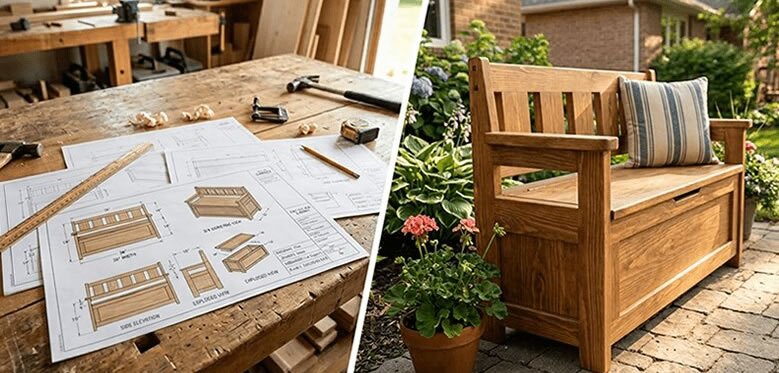
Woodworking plans on a workbench beside a finished wooden outdoor storage bench
Why a plan library matters

Good Woodworking Starts Before the First Cut.

There is a particular kind of frustration that every woodworker recognizes. You see a table, bench, cabinet or outdoor project that looks perfect. You can picture it in your home. You may even have the tools and lumber. Then the practical questions arrive: What dimensions should I use? Which pieces get cut first? How does the joinery come together? How much material should I buy? What happens if one measurement is off?

That is where a detailed plan earns its place on the workbench. A useful plan does more than show a finished photograph. It gives the project a sequence. It turns an attractive idea into measurable parts, and those parts into a build you can approach one stage at a time.

TedsWoodworking is positioned around that exact problem. Instead of hunting across dozens of scattered sites every time you want to build something, the offer collects thousands of plans in a single digital library. The sales material describes plans with step-by-step instructions, drawings and blueprints, plus cutting and materials lists. For someone who enjoys building but dislikes starting from a blank sheet of paper, that organization is the main appeal.

Inside the collection

What You Get With TedsWoodworking Plans

The current offer centers on a large digital project archive, ongoing member access, woodworking education resources and several bonuses. Here is what those pieces mean in practical terms.

01

16,000 Project Plans

The headline feature is access to more than 16,000 woodworking projects. The range is intended to cover both practical and decorative builds—from furniture and storage to outdoor projects, workshop ideas and smaller craft-style builds. The value of a library this size is choice: you can browse by what you want to make rather than being locked into one course or one furniture style.

02

Step-by-Step Direction

The product page emphasizes instructions that take a project from beginning to completion. That matters most when a design contains several assemblies or when the order of operations affects accuracy. Instead of improvising every stage, you have a reference to check before cutting, drilling, joining or assembling the next component.

03

Cutting & Materials Lists

Materials planning is one of the least glamorous parts of woodworking, yet it can determine whether a weekend build stays on schedule. Cutting and materials lists can help you estimate what stock, hardware and components a project calls for before you begin, reducing the chance of unnecessary trips for forgotten items.

04

Drawings & Project Views

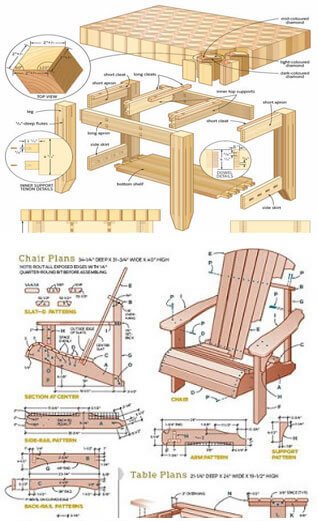
Dimensions are easier to understand when you can see how pieces relate to each other. The offer highlights drawings and plan views as part of the project documentation. These visual references can be especially useful for checking proportions, assemblies and the placement of individual components while you work.

05

Lifetime Member Access

The sales page states that buyers receive lifetime access to the member area rather than a recurring monthly membership charge. That makes the collection something you can return to when a new project idea comes up instead of feeling pressure to download everything immediately.

06

Guides, Videos & Support

The package also describes woodworking guides and tutorial videos covering fundamentals and more advanced techniques, along with support resources. That makes the offer broader than a folder of diagrams: the intent is to pair project plans with reference material that can help you improve how you approach the build.

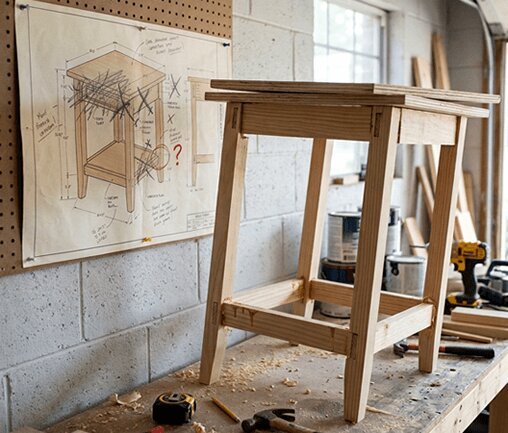
Woodworker studying detailed project drawings in a busy home workshop with cut lumber nearby
The real advantage

Less Guesswork Between the Drawing and the Finished Build.

Woodworking rewards patience, but it punishes vague planning. A measurement that lives only in your head can change halfway through a project. A missing material can stop the build. A joint cut before its mating piece is checked can turn good lumber into scrap. Detailed project documentation cannot do the craftsmanship for you, but it can make the decisions in front of you clearer.

That distinction is important. TedsWoodworking is not a magic shortcut that replaces safe tool use, careful measuring or practice. Its practical role is to give you a starting framework. You still bring the tools, material, judgment and workmanship. The plan gives you a route to follow.

For beginners, that structure can make a first substantial project feel less intimidating. For experienced hobbyists, a large archive can be useful in a different way: as a source of dimensions, construction ideas and project inspiration when you would rather build than spend hours drafting from scratch.

Browse the Current Offer →

Four practical plan features

From First Measurement to Final Assembly

A plan is most useful when it answers the questions that otherwise interrupt the build. The current TedsWoodworking materials repeatedly emphasize four kinds of guidance.

1. A Clear Sequence

Step-by-step instructions create an order of operations. You can see what should happen before the next assembly begins, which is helpful when several parts depend on one another. That sequence can also make it easier to divide a larger project into manageable workshop sessions.

2. Material Preparation

Knowing the pieces and quantities before you start helps you plan a lumber run and organize stock. You still need to verify dimensions and account for your own saw kerf, milling process and material quality, but a prepared list gives you a much stronger starting point than guessing at the store.

3. Visual Reference

Drawings let you compare what is on your bench with what the assembly is intended to look like. They are particularly useful when a written instruction would otherwise be ambiguous—orientation, spacing and the relationship between parts are often easier to understand visually.

Project inspiration

One Library, Many Directions You Can Take Your Workshop.

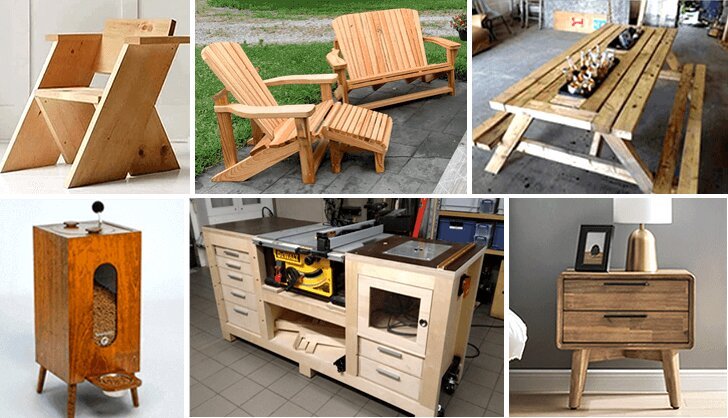
Whether you want a useful weekend project or a more involved furniture build, the attraction of a large plan archive is being able to move from one category to another without starting your research from zero.

Collage of woodworking projects including outdoor chairs, picnic table, side table and workshop cabinet
Who may find it useful

A Resource for the Woodworker Who Wants More Projects Ready to Go.

🪚

Newer DIY Woodworkers

If your biggest obstacle is not knowing how to translate an idea into parts and steps, structured plans can give you a more approachable starting point. Choose simpler projects first, read the full plan before cutting, and build confidence as your accuracy improves.

🪵

Weekend Hobbyists

If workshop time is limited, having plans available can reduce the research phase. Instead of spending your Saturday morning searching for dimensions, you can select a project in advance, review the list and prepare the material you need.

📐

Experienced Makers Looking for Ideas

Even if you are comfortable changing joinery or adapting dimensions, existing plans can provide a useful design reference. You can study proportions and construction approaches, then decide whether to follow the plan closely or adapt it to your own preferences and tools.

🏡

Home & Garden Project Builders

The broad project positioning is useful if your interests move between indoor furniture, organization, outdoor seating, tables, garden projects and workshop fixtures rather than staying inside one narrow category.

How to use a plan well

The Plan Is the Map. Your Workshop Process Still Matters.

A big collection is only valuable if you use it deliberately. The easiest mistake is to download an interesting design and begin cutting immediately. A better workflow is to read the entire project first. Look at the finished dimensions, identify the major assemblies, study the cutting information and note any tools or hardware you do not already have. This gives you a mental picture of the build before the first irreversible cut.

Next, compare the plan with your actual space and material. A dining table designed for one room may need a different length for yours. Outdoor furniture may need wood and fasteners appropriate for exposure. A plan can give you dimensions, but your environment determines whether those dimensions and materials make sense for your use.

Then verify every critical measurement before cutting. Printed and digital plans are references, not substitutes for checking. Confirm stock thickness, hardware size, mating pieces and the dimensions that matter to fit. If you change one dimension, trace how that change affects connected parts. This is especially important with cabinets, drawers, doors and any assembly where small differences accumulate.

Finally, use the plan as a checkpoint throughout the build. Keep it visible on a tablet or print the pages you need. Mark completed steps, write your own notes and record any modifications. The next time you build a similar project, those notes become part of your own woodworking knowledge.

Illustrated woodworking diagrams showing furniture joinery, chair plans and table construction details
More than project PDFs

Bonuses Included in the Current Package

The reference sales page lists four additional resources alongside the core project archive. These are presented as extras designed to help with viewing plans, learning techniques and exploring woodworking beyond a single build.

DWG/CAD Plan ViewerA plan-viewing resource intended for working with compatible drawing files.
150 Premium Woodworking VideosVideo material for learning and reviewing woodworking techniques.
Woodworking Business GuideA resource aimed at people interested in the business side of woodworking.
Complete Woodworking GuidesAdditional reference material covering skills, methods and workshop topics.

See Everything Included →

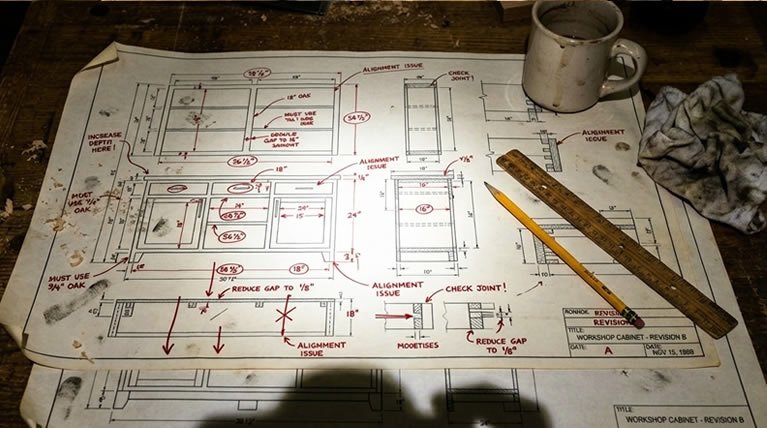
Detailed cabinet woodworking blueprint with handwritten measurements, ruler and pencil on a workbench
Digital access

Keep the Plans Close to the Workbench.

The offer describes access through a members area, which means the collection is designed to be used digitally. That is convenient in a workshop because you can review a plan on a computer before the build and keep a phone or tablet nearby while you work. If you prefer paper, you can print the relevant pages for the project at hand.

Digital access also changes how you can browse. Instead of buying a separate plan every time an idea catches your attention, you can return to the library and look for a project that fits your available time, skill level, tools or material. One month that might be a small storage build; the next it might be a garden bench, table or shop fixture.

The reference offer also states that members receive new plans monthly and that access does not expire. If that ongoing access is important to your decision, confirm the current terms on the checkout page before purchasing, because digital-product offers can change over time.

TedsWoodworking secure checkout showing the digital product price and payment options
Current referenced price

Get the Full TedsWoodworking Package

$67 one-time price shown in the supplied offer

The sales materials you provided present the package as a one-time $67 purchase rather than a monthly subscription. They also state that the purchase includes access to the 16,000-project archive, member access, monthly plans, woodworking guides and videos, a custom-plan request, and the listed bonuses.

The same materials state a 60-day money-back guarantee. Because pricing, bonuses and checkout terms can be updated by the seller, use the product checkout as the final source for the offer available when you buy.

Check Today’s Offer & Get Access →

This button opens the product offer in the same browser tab.

Value in everyday use

Why a Large Project Library Can Be More Useful Than a Stack of Random Plans.

Individual woodworking plans can be excellent, especially when you know exactly what you want to build. The challenge is that woodworking interests rarely stay fixed. A person who starts by building a simple shelf may soon want a workbench. After that comes outdoor seating, a coffee table, storage, a cabinet or a gift project. Buying or searching for each design separately adds friction every time the next idea appears.

A broad library changes that pattern. The resource is already there when inspiration arrives. You can compare different kinds of projects, study how similar pieces are constructed and choose a design that matches the time and tools you have available. That is the strongest case for a collection such as TedsWoodworking: not that you will build 16,000 projects, but that a large number of options increases the chance that the kind of project you want is already represented.

There is also an educational benefit to looking at many plans. Repeatedly seeing how frames, legs, panels, shelves, braces and other components are arranged can help you recognize common construction patterns. You begin to notice how dimensions relate, how assemblies are broken into parts and how a finished object is represented on a drawing. That kind of pattern recognition grows with hands-on experience, but studying plans can support it.

At the same time, quantity should not replace judgment. Before committing material to any project, review the specific plan carefully. Make sure the dimensions are complete, the construction makes sense for your tools and experience, and any safety-critical details are appropriate. If a plan does not give you enough confidence to proceed, choose another design or consult an experienced woodworker. A large archive gives you alternatives; use that advantage.

Portrait of an experienced woodworker in a bright workshop
A smarter way to browse

Start With the Project You Want—Then Work Backward From the Result.

When a library contains thousands of plans, the goal is not to consume everything. The useful approach is to narrow the collection around the job in front of you. Begin with the finished object: what do you want it to do, where will it live and how much space can it occupy? A small entryway bench has different constraints from an outdoor seat. A shop cabinet has different priorities from a display table. Once you define the result, you can compare plans with a purpose.

Pay attention to finished dimensions before you become attached to a design. Measure the location where the piece will go and leave room for doors, drawers, chairs, walking paths or other objects around it. If the plan needs to be resized, decide that before material is cut. Scaling a woodworking project is not always as simple as changing every number by the same percentage because hardware, stock thickness and joinery may need to stay at practical sizes.

Next, look at the construction method. A project may be visually simple while requiring joinery or tools you have not used. That does not automatically make it a bad choice, but it changes the preparation required. If you want a relaxed weekend build, select a plan that matches techniques you already know. If your goal is to learn, choose one new skill at a time and practice it on scrap before applying it to the final components.

Finally, think about the finish before assembly. Some surfaces are difficult to sand, stain or paint after parts are joined. Planning the finishing sequence can save a surprising amount of awkward work. This is another reason to read a project all the way through: the best time to notice a future problem is while the lumber is still uncut.

Before you begin

Five Habits That Make Any Woodworking Plan More Useful

Read first, build second. Treat the first pass through a plan like a rehearsal. Identify the main assemblies, locate the dimensions that control fit and note where the instructions expect glue, screws, hardware or a particular tool. If a step is unclear on paper, solve that question before the workpiece is on the saw.

Make your own cut checklist. Even when a plan supplies a cutting list, it can help to rewrite the pieces in the order you intend to prepare them. Mark parts as they are milled and cut. Label components lightly in an inconspicuous area. On projects with several similar rails, stiles or panels, simple labeling prevents mix-ups that are hard to see until assembly.

Check square early and often. Small errors compound. A slightly out-of-square frame can create a larger problem when a drawer, panel or door is fitted later. Measure diagonals, use reliable reference edges and dry-fit assemblies before glue whenever practical. The plan provides intended dimensions; your measuring process is what carries those dimensions into the real object.

Adapt responsibly. One benefit of woodworking is that a plan does not have to be the final word on style. You may prefer a different wood species, edge profile, handle or finish. Cosmetic changes are usually easier than structural ones. When changing dimensions, joinery or load-bearing components, make sure you understand the consequences and seek qualified guidance where safety matters.

Choose material with the project in mind. A plan may show a species or stock size, but availability, appearance and intended use can influence your choice. Inspect boards for twist, cup, bow and defects before buying, and allow enough extra material for milling and mistakes. For outdoor builds, consider whether the wood, glue, fasteners and finish are suitable for moisture and changing weather. For indoor furniture, think about movement of solid wood as humidity changes. These decisions sit alongside the plan rather than inside it: the drawing tells you what to build, while good material selection helps determine how well the finished piece performs over time.

Keep a build record. Write down the material you used, the dimensions you changed and anything you would do differently. Take a few photos during assembly. If you revisit the design months later, your notes can be more valuable than memory. Over time, the combination of published plans and your own workshop notes becomes a personal reference library tailored to the way you build.

Build for the reason you started

The Best Part of Woodworking Is Still the Finished Thing in Front of You.

Plans, tools and techniques are means to an end. The payoff is turning ordinary boards into something useful, personal and real—something you can put in a room, give to someone, use outside or improve the next time you build it.

TedsWoodworking offer graphic showing today's price, Add To Cart button and accepted payment methods

Visit the TedsWoodworking Offer →

Frequently asked questions

Questions Before You Choose a Plan

What exactly is TedsWoodworking?

It is a digital woodworking resource sold around a large collection of project plans. The supplied sales materials describe more than 16,000 projects with step-by-step details, drawings or blueprints, cutting information and materials lists, along with member-area resources and bonuses.

Is TedsWoodworking a monthly subscription?

The reference offer you supplied presents the $67 package as a one-time purchase with no monthly fee and states that member access is lifetime. Since sellers can update offers, confirm the price and terms displayed on the product checkout when you purchase.

Do I need a large professional workshop?

No single workshop setup fits every project. The sales page specifically positions the collection as usable without a large workshop or expensive tools, but individual projects can have different tool, space and material requirements. Review the chosen plan before starting so you know what that particular build needs.

Can a beginner use these woodworking plans?

The offer describes the plans as detailed enough to reduce guesswork while remaining approachable for beginners. If you are new to woodworking, start with a smaller project, read the plan fully, learn safe operation of every tool involved and avoid a build that requires techniques you have not yet learned.

What kinds of projects can I expect?

The product is promoted as a broad project library rather than a single-category course. The examples and imagery cover furniture, outdoor seating, tables, cabinets, workshop projects, crafts and other home-and-garden builds. The exact contents of the member library are controlled by the seller.

Are cutting and materials lists included?

The supplied product page explicitly advertises cutting and materials lists as a core plan feature. These can help with preparation, but you should still verify dimensions, stock sizes, hardware and quantities for the specific plan and any modifications you intend to make.

How do I receive the product?

The reference page describes digital delivery through a member area after purchase, with the ability to access and download plans. It also mentions optional physical copies. Check the current checkout for any shipping option, cost or availability that applies to you.

Is there a money-back guarantee?

The supplied offer states a 60-day money-back guarantee.Refund administration and current terms are set by the seller/payment platform, so review the guarantee language shown at the time of purchase.

Ready for your next build?

Choose the Project. Review the Plan. Make the First Cut.

If a large woodworking plan library fits the way you like to build, use the button below to view the current TedsWoodworking package, included bonuses, price and checkout terms.

Get TedsWoodworking Plans →

Affiliate disclosure: We may receive a commission if you buy through our link, at no extra cost to you.

TedsWoodworking project guide • Build carefully, measure twice, and always follow safe woodworking practices.
TedsWoodworking — View the current 16,000-plan offer See Offer →
Scroll to Top